Gallbladder Removal
Surgical removal of the gallbladder when medically indicated.
Visit directly for faster patient enrollment
Patient Guide
The gallbladder is a small organ that stores bile produced by the liver. Gallstones — deposits that form in the gallbladder — are a common reason for gallbladder problems. When gallstones cause significant symptoms or complications, removal of the gallbladder may be recommended.
What Are Gallstones?
Gallstones are hardened deposits that can form in the gallbladder. They vary in size and may cause pain, particularly after eating fatty foods. Some people have gallstones without symptoms; others experience significant discomfort.
What to look out for
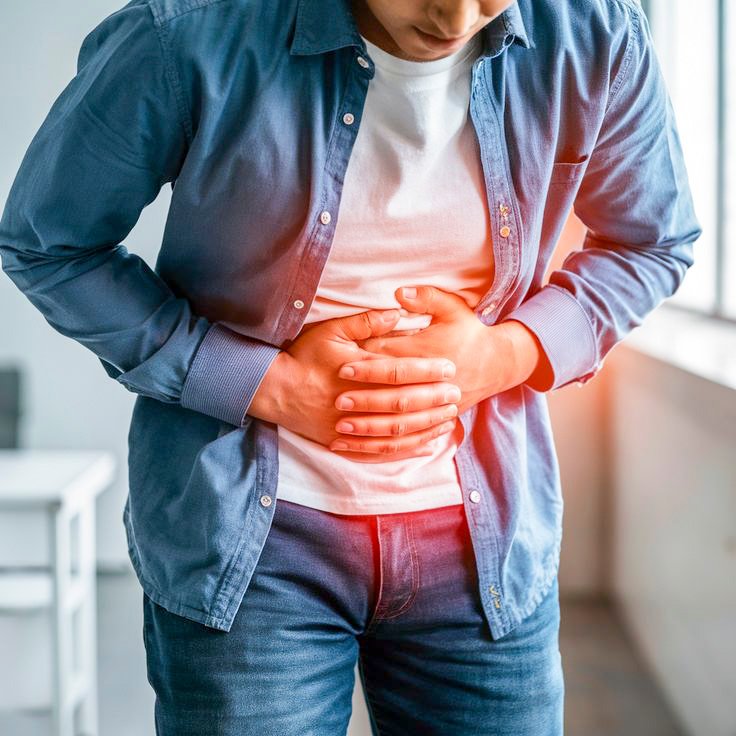
- Pain in the upper right abdomen, especially after meals
- Pain that may radiate to the back or right shoulder
- Nausea and vomiting
- Bloating or indigestion
- Fever or jaundice in complicated cases
If you experience recurring abdominal pain after meals, particularly in the upper right area, consult a doctor for evaluation. Acute severe pain with fever requires prompt medical attention.
Cholecystectomy
Gallbladder removal (cholecystectomy) is one of the most commonly performed surgical procedures. It is frequently performed laparoscopically through small incisions, though the surgical approach will be determined based on individual clinical circumstances.
Recovery
Recovery after laparoscopic gallbladder removal is generally quicker than open surgery. The surgical team will advise on dietary adjustments, activity and follow-up appointments.
Questions About Gallbladder Removal
Yes. The liver continues to produce bile, which flows directly to the small intestine. Most people adapt well after gallbladder removal, though dietary adjustments are sometimes recommended initially.