
Laparoscopic Surgery
Minimally invasive surgery through small incisions.
Visit directly for faster patient enrollment
Patient Guide
Laparoscopic surgery — also called keyhole surgery or minimally invasive surgery — uses small incisions and a thin camera to perform operations that traditionally required larger cuts. It is used across general surgery and gynaecological procedures.
What is Laparoscopic Surgery?
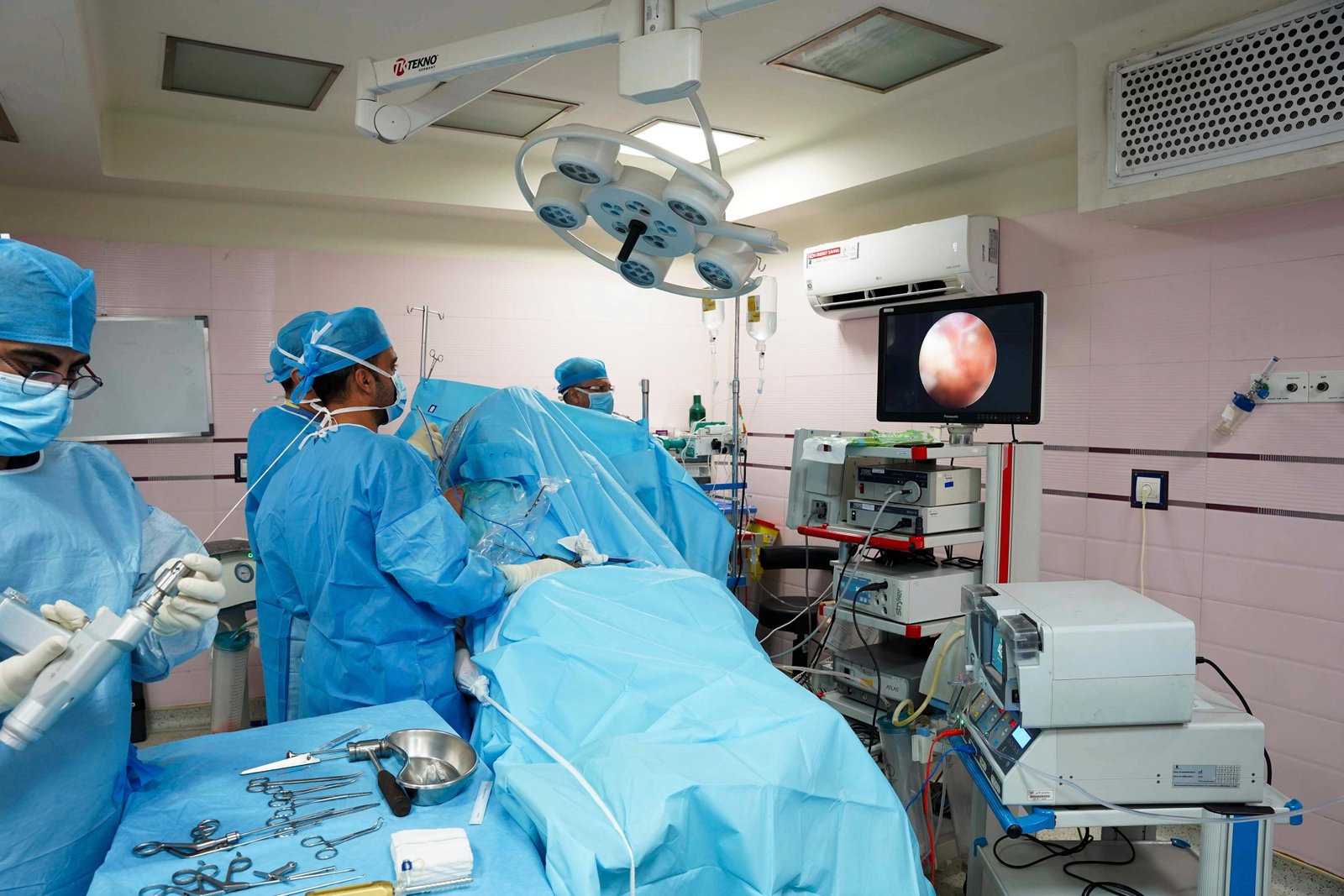
During laparoscopic surgery, the surgeon makes small incisions through which a thin tube with a camera (laparoscope) and surgical instruments are inserted. The surgeon views the internal area on a monitor and performs the procedure with precision.
Laparoscopic surgery is a technique, not a specific condition. The suitability of a laparoscopic approach for any particular procedure will be discussed by the surgical team based on individual clinical circumstances.
The Technique
Small incisions (usually 0.5–1 cm) are made in the abdomen. Carbon dioxide gas is introduced to create space for the camera and instruments. The procedure is performed while the surgeon views a magnified image on a screen. Incisions are then closed with small sutures or staples.
Recovery Advantages
Compared to traditional open surgery, laparoscopic procedures generally involve less pain, shorter hospital stays, smaller scars and faster return to daily activities. The exact recovery depends on the specific procedure performed.
Questions About Laparoscopic Surgery
Laparoscopic surgery is an established technique used routinely across many types of procedures. All surgical procedures carry some risk, which the surgical team will explain during the pre-operative consultation.
Not always. The surgical team will assess whether a laparoscopic approach is appropriate for your specific condition and situation. In some cases, the procedure may need to be converted to open surgery during the operation.