Ovarian Cyst Removal
Surgical management of ovarian cysts when clinically indicated.
Visit directly for faster patient enrollment
Patient Guide
Ovarian cysts are fluid-filled sacs that develop on or within the ovaries. Most are benign (non-cancerous) and resolve on their own. Some cysts, however, cause symptoms or complications that require medical evaluation and possible surgical intervention.
What Are Ovarian Cysts?
Ovarian cysts are common and many women have them at some point during their reproductive years. Most are functional cysts related to the menstrual cycle and disappear without treatment. Others may be more complex and require monitoring or surgery.
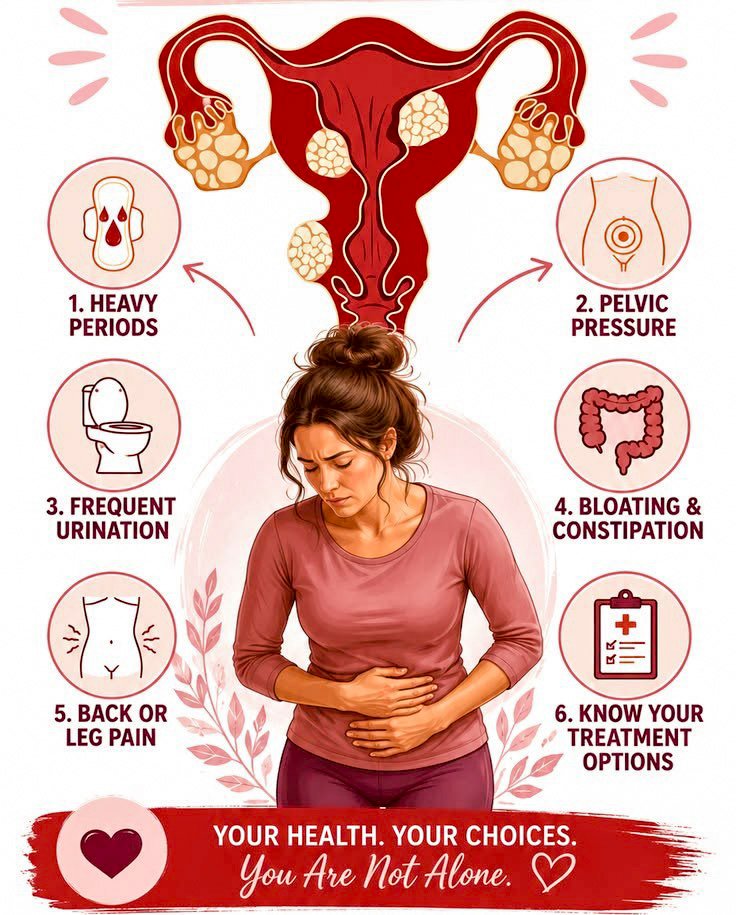
What to look out for
- Pelvic pain — dull, aching or sharp
- Bloating or feeling of fullness in the abdomen
- Irregular periods
- Pain during intercourse
- Frequent urination
- Sudden severe pain in cases of cyst rupture or torsion
Consult a gynaecologist if you experience persistent pelvic pain, bloating or menstrual irregularity. Sudden severe pelvic pain requires immediate medical attention.
Surgical Approach
When surgery is indicated, ovarian cysts can often be removed laparoscopically (minimally invasive), preserving ovarian tissue where possible. In some cases, an open surgical approach may be recommended. The gynaecologist will determine the appropriate plan based on the cyst characteristics and clinical factors.
Recovery
Recovery varies by surgical approach and individual factors. The medical team will provide guidance on activity, diet, wound care and follow-up.
Questions About Ovarian Cyst Removal
No. Many ovarian cysts resolve on their own and are monitored with ultrasound scans. Surgery is considered when a cyst is large, persistent, causing significant symptoms or has features that require further investigation.